Pages

Showing posts with label Home Economics. Show all posts

Monday, August 9, 2021

NZ Food History - Home Economics

 NZ Food History

Feasts:

The early Maori had traditional feasts called Hakari. Feasts were used as a way to show who's boss to visitors. Tribes would compete with each other, over which one is the most hospitable. The Maoris would have Hakiri at various times of the year such as Matariki, a Tohi ceremony or a marriage Feasts were very common in the 19th century. The Pakeha settlers didnt approve of their culture. Back then the white people thought they were more upper class to the Maoris, nowadays white people realise how important the Maori culture is. Kids at school are encouraged to learn about the Maori culture - by learning the language or going to the local Marae for a sleepover and having a hangi.

Nutrition:

In Maori tradition the leaders ate first then the fighters and warriors and so on until the women and children who ate last. This was set up in a way so that the strong (fighters and warriors) would get the nutrition they needed, and in case there wasn't much food to go around, the women and children were the last to get because their need to be fed wasn't as important as the warriors because they were not going into combat etc.

What was eaten and how was it eaten?

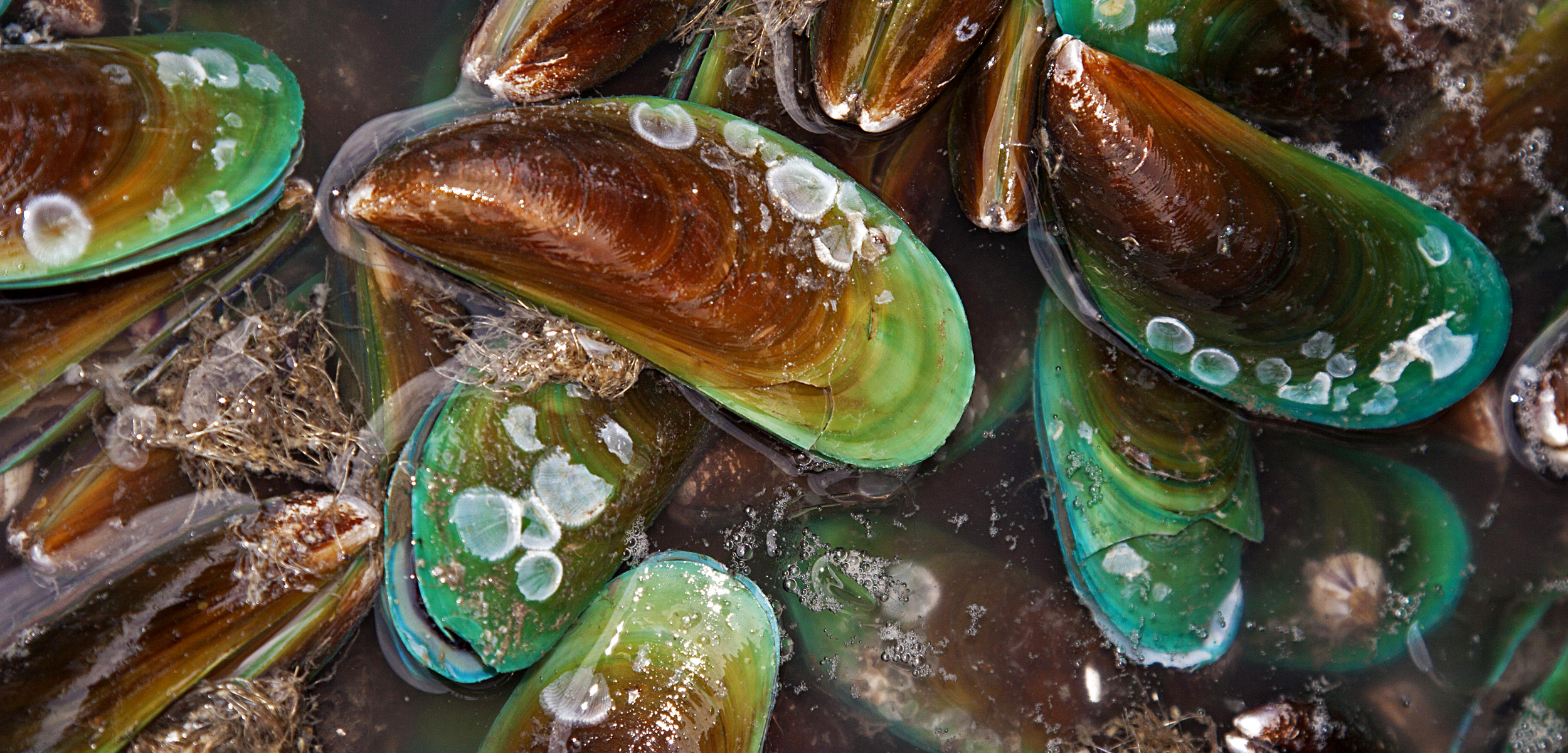
Household guides in the 19th century included advice about serving meals, laying tables, folding napkins and table decorations. Traditionally Maori served food in baskets which were shared between small groups. High ranking people ate from their own basket. People ate with their hands. Basic habits passed from parents to children include washing hands before eating, holding utensils correctly, keeping elbows off the table, not talking with full mouths, not putting knives in mouths, leaving untensils together on the plate when the meal is finished and asking perimission to leave the table. Traditional foods included whitebait, the seaweed karengo, huhu grubs, pikopiko (fern shoots), karaka berries and toroi - a dish of fresh mussels with puha (sow thistle) juice. With the arrival of the europeans they had access to alot more vegetables which improved their nutrition but it also meant they had access to process food which brought on serious health issues like diabetics etc.Māori Mussel Memory | Hakai Magazine


How did Maori preserve their food?
Maori preserved large quantities of food, to seave for leaner times or to trade with other tribes. Food could be dried in ember or, in the geothermal Rotorua area, spread on hot rocks. Meat, fruits and seeds were also dried. Fatty birds such as titi (muttonbirds) were preserved in their own fat.

Introduced Food:
Maori quickly adopted food sources introduced by Europeans, growing potatoes, gifting pigs to other
tribes, and developing large wheat plantations and mills. In the early 1800s, pigs and baskets of potatoes were used as currency.
  • Food Plants
  • Animals - Early settlers brought pigs, goats and hens.
  • Potatoes
  • TinFood
  • Wheat

Friday, June 19, 2020

Mini Pastry Savouries

This week in Home Economics we made Mini Pastry Savouries. 

These were very easy to make, I personally think that my group worked very well together, using good team skills to make delicious mini pastry Savouries. 

Puff pastry (Flaky Pastry) sheets

1/2 sheet pre rolled pastry

Ingredients: 
  • 1 egg
  • pinch salt
  • 1 Tablespoon milk
  • Cheese, Ham, Tomatoes.  
Method: 
  1. Using pastry cutters, cut circles to fit patty pans. Chill in Fridge. 
  2. Mix: 1 egg, pinch salt, 1T Milk
  3. Whisk together with a fork.
  4. Transfer egg mixture to a measuring cup
  5. Place some thawed peas and corns in each pastry case. *We used Cheese, ham, and tomatoes. 
  6. Carefully pour egg mixture into each case. Don't spill any!!
  7. Bake at 200C for 8-10mintues.
  8. Cool and eat. 
Sensory evaluation:
The outer part of the pastry was light, fluffy and flaky which is what we were going for. The inside where the egg, cheese, and ham, they were cooked very well, and they tasted delicious. 
They looked crunchy, it had a nice golden look. 

Photos:


Conclusion:
In conclusion my group and I worked very well together, and we had a good afternoon making delicious Mini Pastry Savouries!

Friday, June 12, 2020

Pikelets - Home Economics

Welcome to another Blog-Post. This week in Home Economics we made Pikelets. 
I personally think that this week was very easy, this week was also the first time we used the pan. The instruction on the recipe were very easy to follow and understand. Our outcome Pikelets were very good.  I reckon my group and I worked very well together this week. 

Ingredients: 
  • 1 cup plain flour
  • 1 t Baking Powder
  • 1/4 t salt
  • 1 Egg
  • 1/4 c Sugar
  • 3/4 c Milk
Method: 
  1. Sift the flour, baking powder and salt into a bowl.
  2. In another bowl beat the egg and sugar with a whisk until pale and thick.
  3. Add the egg mixture and the milk to the dry ingredients and mix until just combined.
  4. Gently heat a non-stick frying pan over medium heat and add or brush with a little melted butter. Drop tablespoonfuls of the mixture from the point of the spoon onto the surface.
  5. When bubbles start to burst on the top of the pikelets, turn them over and cook the second side until golden. 
  6. Place on cooling rack
  7. Serve with a sweet or savoury topping. 
Tips:
One of the main tips we had to get right was to beat the egg and sugar until white, place and thick. It took a very long time to beat the egg and sugar and it was very tiring, but we each took a turn, we had to successfully complete that before adding milk. 

Sensory evaluation:
The pikeletes came out very good, they tasted very nice, the texture was soft and fluffy. 


Images:


Friday, June 5, 2020

Home Economics Chocolate Chip Cookies

Welcome to another blog-post, Today in Home Economics we made Chocolate Chip Cookies.

Recipe:
  • 100g butter
  • 1/2 cup Chelsea White Sugar
  • 1/2 cup Chelsea Soft Brown Sugar
  • 1 eggs
  • 1 tsp vanilla essence
  • 1 1/2 cups flour
  • pinch of salt
  • 1/2 tsp baking powder
  • 1/2 cups chocolate chips
Method
Soften butter, and add both sugars and cream these together. Beat in the eggs ans vanilla then mix in the dry ingredients. Roll into medium sized balls, making sure the mixture is not too wet! Put on a well greased baking tray. They shouldn't spread too much so flatten slightly. Bake at 180 for 8-10 minutes. 

Tip: You can easily half this recipe. Or roll half into a log, wrap in cling film and freeze. Cut into 15 pieces while still frozen and bake. 

I personally think that our group and I worked very well, except for when we forgot to preheat our oven but we managed to solve that wee problem and transferred our cookies into another oven. 
Vanilla essence added flavour
Variations of the cookies have occur due to the rolling of the cookies. 
Images


These are images of our cookies that we made. 

Thursday, March 26, 2020

Storage of Food - Home Economics

Welcome to another blogpost, In Home Economics class we are working around Personal Hygiene and Food Hygiene. This task I had to generate a table for the three areas of storage in a kitchen; fridge, Cupboard and Freezer, then I had to list different food items that should be stored long term in these areas. 


Fridge
Cupboard
Freezer
-Eggs
-Fresh Veggies
-Berries
-Dairy Products
-Butter
-Leftover or precooked
meals -Lunch meals like turkey and
lean roast beef.

-Onions

-Peanuts
-Apples
-Tea
-Powdered Milk
-Canned Fruits and vegetables
-Dried Pasta
-Honey
-Bread

-Cheese
-Ginger
-Nuts
-Cookie Dough

-Fresh Herbs
-Cooked Grains
-Raw meat, poultry and fish.
Fridge:
Refrigerating your food correctly is important to ensure that your food remains safe to
eat and stop harmful bacteria spreading for raw to ready-to-eat foods. Eating too much
leftover foods can be harmful for your health. Leftover food can be kept for three to
four days in the refrigerator. But make sure that you can eat them within that time. 

Freezer:
Keep raw meat, poultry and fish away from other foods so they don't contaminate them.
A freezer that makes cooking quicker and easier. A freezer should be cold enough to
freeze your food. But if it's too cold then you can risk an increase of frost and
ice-build up. 

Cupboard:
Store foods in the right container, at the right temperature and for the right length of
time. Proper food storage will reduce your risk of food poisoning and also stretch your
wallet since your food won't spoil as quickly. The cupboard is a great place to store all
your shelf-stable foods.

Temperatures:
Keep your appliances at the proper temperatures. Keep the refrigerator temperature
at or below 40 F (or 4 C). The freezer temperature should be 0 F (-18 C).Therefore the
best temperature for food storage in the cupboard is 50 F to 70 F. 

Cupcakes - Home Economics

Welcome to another blog post, Today in Home Economics (cooking) we made cupcakes. I personally think that I did great working together with my group, using wonderful skills into making wonderful cupcakes. 
Firstly we got give the recipe that has listed the ingredients and the method to making Cupcakes. 

Cupcakes:

  • 125 g Margarine/Butter
  • 3/4 c Sugar
  • 1 t Vanilla Essence
  • 2 Eggs (size 7)
  • 1 1/2 c Plain Flour
  • 2 t Baking Powder
  • 1/2 c Milk
Method:


  1. Cream margarine in a large bowl. Use a wooden spoon.
  2. Add sugar and continue creaming until light and fluffy in texture.
  3. Add vanilla essence and beat briefly.
  4. Add eggs one at a time, beating well after you have added each egg.
  5. Sift flour and baking powder onto a large plate.
  6. Using a rubber scraper, scrape all the mixture off the wooden spoon.
  7. Add 1/2 sifted flour/baking powder mix and fold in half the milk using the rubber scraper.
  8. Repeat step 7 for the next 1/2 flour mix and the rest of the milk. Do not Over-mix.
  9. Add the last of the flour and gently fold this into the cake batter.
  10. Carefully spoon cake batter evenly into 12 paper cases. 
  11. Bake at 180 C for 7 minutes then turn oven to Fan Bake for a further 6-8mins.

Overall I think that my group and I we worked well together, from getting set up with the ingredients, following the method, making sure we are using some tips such as folding the mixture and not over mixing, also the last few things we did was the icing and decorating our cupcakes. 

 This is a photo of all our ingredients lined up all ready.
This is a photo of the cake batter where our cupcakes were developed. 

Friday, March 13, 2020

High risk Foods - Home Economics

High Risk Foods:
When a busy schedule is the order of the day, what you eat and where it came from might not always seem too important. However, this should rapidly change. After all, each item of food demands different handling methods in order to ensure customers receive safe food. Ultimately, high risk foods need your unwavering attention to keep people, and restaurants prospects, safe and secure. 

What are High risk foods?
High risk foods share a tendency to spoil as a result of unsuitable storage conditions or improper cooking methods. Meat, fish, gravy, sauce, shellfish, dairy products, pasta and even cooked rice are all examples, and the smallest errors can lead to contamination. Consequently, basic mistakes in handling common produce can negatively impact on anyone. 
A variety of harmful bacteria can manifest depending on the hygiene of high risk food and of those preparing it. The illnesses that bacteria cause vary in cause and duration:
  • Salmonella. Contamination and undercooking generally causes this common type of food poisoning.
  • Campylobacter. This is the most common cause of food poisoning, largely due to under-cooked poultry. 
  • Escherichia coli (E Coil). E Coil causes potentially fatal harm to the elderly and young children. You can prevent this from cooking meats thoroughly. 
  • Listeria. This type of bacteria is present in raw milk (and anything made from it) and processed meats. Listeriosis is a huge risk because it can even counter the cold temperatures of a refrigerator. Only thoroughly cooking can destroy this.
  • Clostridium Prefringes. Causing nearly one million illnesses each year, the most common origin of this bacteria is large quantities of meals that are warmed for an extended period of time before serving. Companies and institutions are usually that responsible parties due to feeding many people at once. 
Who is Most at Risk?
Many of these might seem like relatively low health risks, due to our bodies immure systems often been capable of com-batting such ailments. However, when the germ spreads to the more vulnerable who do not have a fully fictional or developed immune system, things can get more serious very quickly. Children, pregnant woman, elderly people, and those with pre-existing conditions call all be particularly susceptible to these sicknesses. In due course, food poisoning can even become fatal, meaning that high risk foods mus the handled with consistent care without fault.

Where should high risk food be stored?
Contamination is not always evident by your sense of sight, smell or sometimes even taste. Therefore, you can only avoid contamination with high risk foods by storing them correctly. bacteria thrive on protein, moisture, warmth and a good dose of time in order to multiply. Subsequently, low temperatures become the only viable solution, slowing down the time bacteria need to grow in number. 
Your fridges and freezers are therefore essential, as they quite literally freeze the spread of germs. 

Ways you can store high risk food properly and safely include:

  • Keeping refrigerated produce below 5 degrees Celsius.  This ensures they are below the designated 'danger zone', in which bacteria can form and fester in ever-expanding numbers. 
  • Storing frozen foods at -18 degrees. unless you need to thaw it. If so, you should transfer it to the fridge before prompt consumption. 
  • Sealing refrigerated items properly. To preserve nutritional value, texture quality and flavour, as well as prevent cross contamination.
  • Storing raw and cooked foods separately from one another to minimise any further likelihood of cross contamination. 
  • Acquiring all produce from a reliable supplier. Refrigerated and insulated vehicles are a good idea for those wanting to haul their produce cross country, so check to see if your suppliers use these.   


Temperature Danger Zone - Home Economics


Saturday, March 7, 2020

Bacteria - Home Economics

Understanding Bacteria and it's dangers.
We had to Watch this video and note learn and understand 
more about bacteria and how it can affect us.
Food safety is essential to lower the risk of food sickness.

What is the difference between Hygiene and Personal Safety?
Food safety covers all aspects of ensuring that food is safe for a person to eat, whereas food Hygiene usually more specifically concerns foodborne illnesses, which arise because of primarily bacterial contaminants. 
When we use chicken what are some
key things you need to remember to
ensure your food is safe to eat?
-Chicken meat should not be washed
- raw chicken should be stored in the
refrigerator
- Clean boards, hands, Knives, Fridge,
Storage, and containers.
- Cook chicken thoroughly
- Separate chicken and other foods
in the fridge and during preparation,
so raw chicken juices do not come in
contact with other foods. 
-Use separate utensils, especially
boards, for raw meat and uncooked
foods, like fruits and salad vegetables. 
What is bacteria?
Bacteria are small living things that can
be found in all natural environments.
They are made of a single cell. Most
bacteria can be seen only with a
microscope. Most bacteria aren't
dangerous, but some are and can make
us sick. These bacteria are called
pathogens. Pathogens can cause diseases
in animals and plants. 
What do bacteria need to survive?
Like all living things, bacteria need food,
water and the proper environment to
live and grow. The food product itself
supplies the food and water needed for
bacterial growth.
Give three examples of how we avoid spreading bacteria?
  - Cover your nose and mouth with a
 tissue when sneezing, coughing or
 blowing your nose.
-Always wash your hands after sneezing, blowing your nose, coughing, after using the restroom,and before handling food.
What does the term cross
contamination mean and what is its
effect on you?
Cross-contamination is defined as the
transfer of bacteria from one
substance to another.
For example, adding unwashed,
contaminated lettuce to a fresh
salad can contaminate the other
ingredients. 


Not all bacteria are harmful, and some bacteria that live in your body are helpful. For instance, Lactobacillus acidophilus - a harmless bacterium that resides in your intestines - helps you digest food, destroy some disease- causing
organisms and provides nutrients.  

Friday, February 21, 2020

Stick-man Hygiene

Below is a diagram of a stick-man representing us, and personal safety
rules an reasons why we have these rules when we are in the kitchen doing
a practical or cooking. 
Good personal hygiene can prevent food poising. 
Bacteria that cause food poising can be on everyone, even healthy people.
You can spread bacteria from yourself to the food if you touch your nose,
mouth, hair or your clothes, and then food.
By preventing this happening,
- Wash and dry your hands thoroughly before handling food, and wash 
and dry them again frequently during work.
- Dry your hands with a clean towel, disposable paper towel or under
an air dryer
- never smoke, chew gum, spit or cough over food.
- wear clean protective clothing, such as an apron.
- tie back or cover long hair
keep fingernails short so they are easy to clean, and don't wear 
nail polish because it can chip into food 
- avoid wearing jewellery.
-Completely cover all cuts and wounds with a wound strip or bandage.
-Tell the teacher if you don't feel well, and don't handle food.

Hand washing:
Thoroughly washing your hands reduces the chance of contaminating food
with bacteria from yourself.
Wash your hands with soap and warm water, and don't forget the back of your
hands, wrists, between your fingers and under your fingernails.
Thoroughly dry your hands immediately after you wash them. Always dry 
your hands with a clean towel, disposable paper, the important thing is to make
sure your hands are dry. 

Conclusion:
Poor personal hygiene can cause serious problem in the kitchen, food poisoning 
being the most serious.